When donors think about supporting a nonprofit, it's natural to picture the direct services that change lives: a child attending an after-school program, a family receiving food assistance, a patient accessing health care, or a community gathering around arts and culture.
What we don't always see are the people making those services possible.
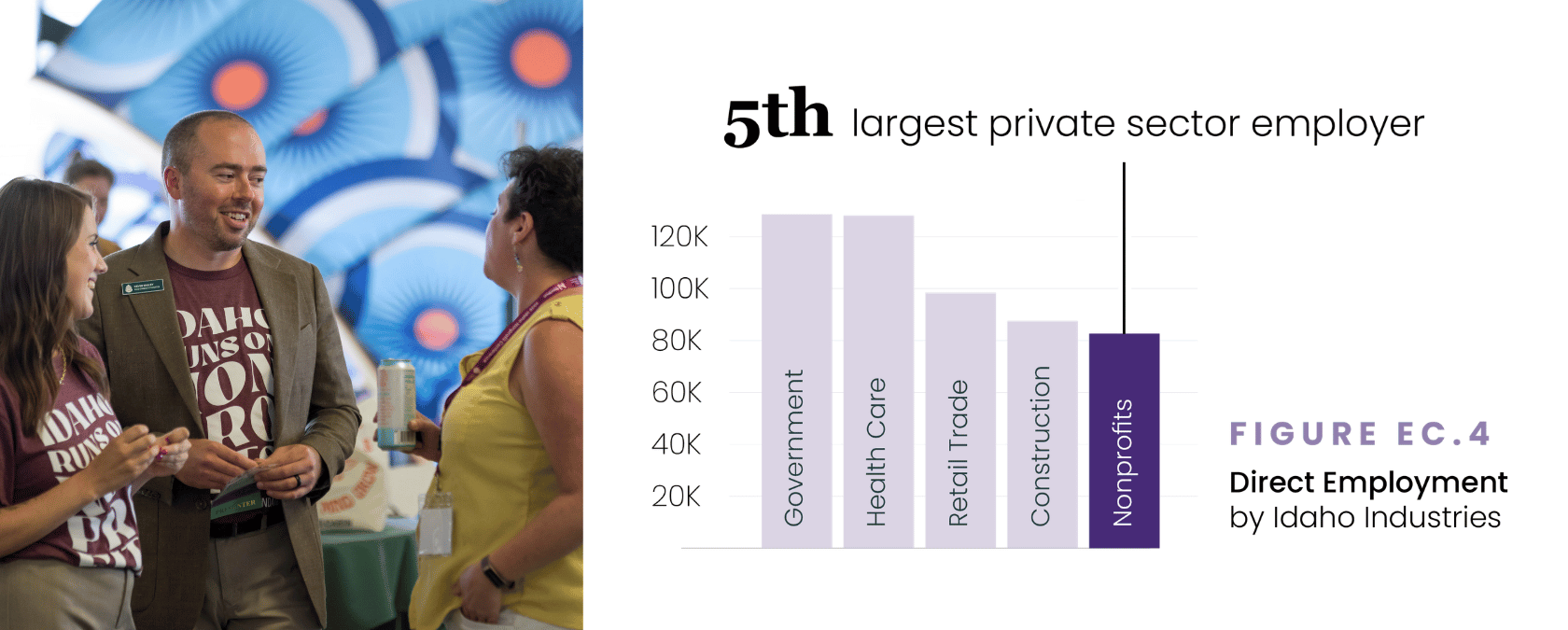
The Idaho Community Foundation's recent State of the Sector Report found that nonprofits employ more than 81,000 Idahoans, making the sector the state's fifth-largest private-sector employer. These aren't just administrative positions. They are counselors, case managers, educators, program coordinators, health care workers, fundraisers, volunteer managers, and countless others who deliver the services Idaho communities rely on every day.
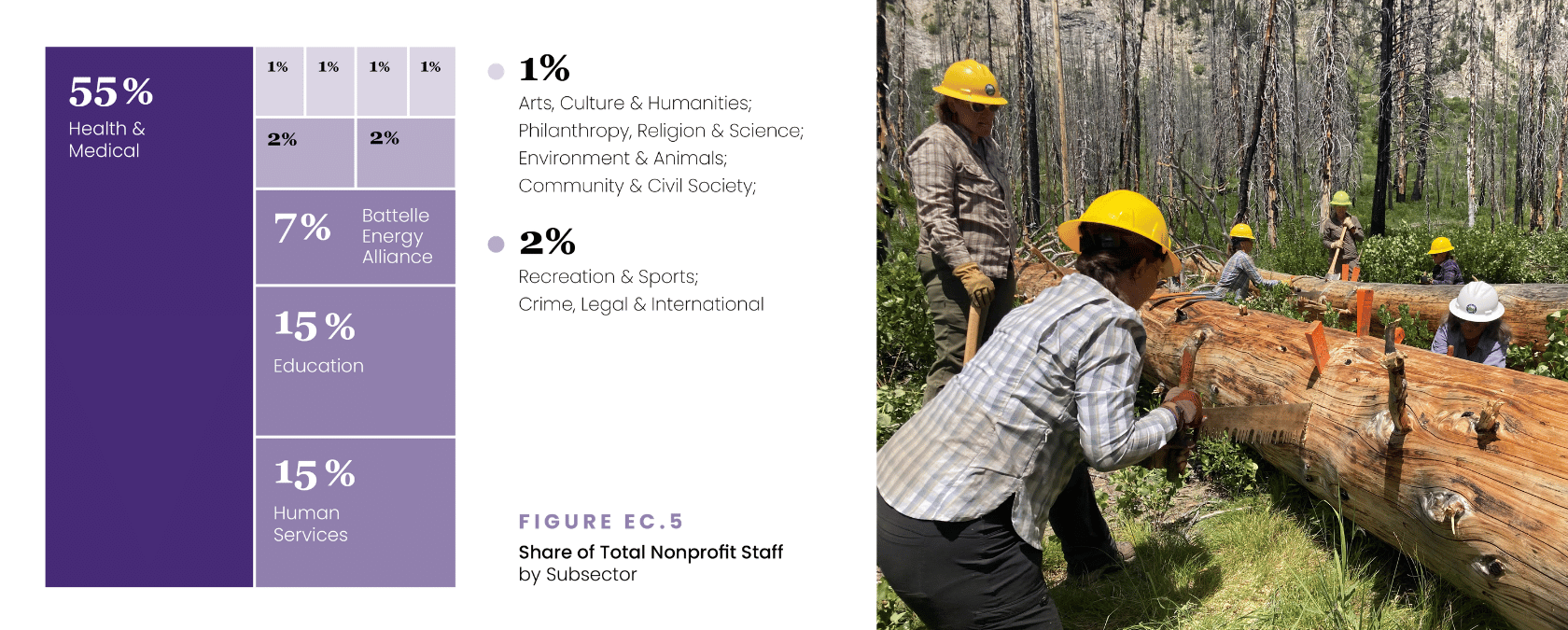
One of the report's most important findings challenges a common misconception about nonprofit funding. Too often, expenses related to staff, technology, training, evaluation, and administration are viewed as "overhead" rather than mission-driven work. In reality, these elements are what make impact possible.
As the report notes, a youth mental health organization needs licensed counselors and qualified staff to provide care. Those positions are not separate from the mission. They are the mission in action.
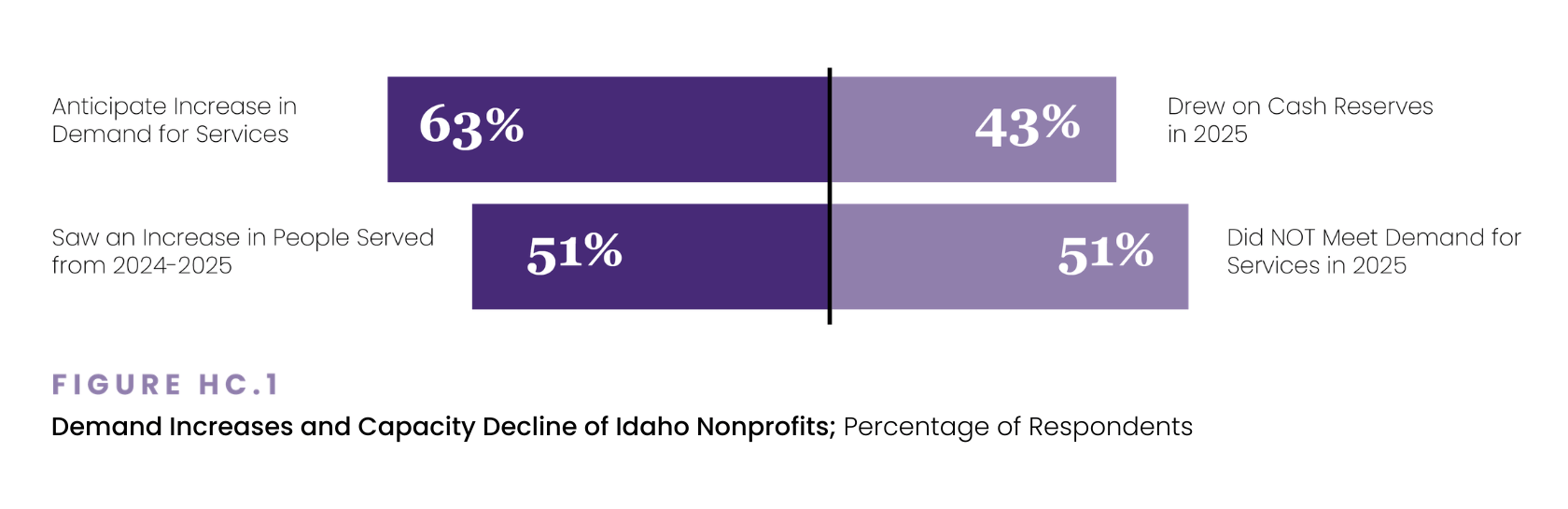
At the same time, Idaho nonprofits are being asked to do more than ever. More than half reported serving more people than they did the year before, and nearly two-thirds expect demand for services to continue increasing. Yet 51% said they were unable to fully meet community needs, and 43% reported drawing on financial reserves simply to cover operating costs.
These challenges are not the result of a lack of commitment. The report tells a different story: Idaho nonprofits are rich in passion, dedication, and community trust. What many lack are the resources needed to build and sustain the capacity required to meet growing demand. Staff need competitive compensation, organizations need systems that work efficiently, and leaders need the time and tools to measure and improve impact. Without those investments, even the most effective programs struggle to reach their full potential.
This is where philanthropy plays a crucial role.
When donors support a nonprofit's operations, they are investing in the infrastructure that helps organizations serve more people, respond more effectively, and remain sustainable for the long term.
Flexible funding allows nonprofits to retain skilled staff, strengthen technology, improve evaluation practices, and adapt when community needs change. These investments may not always be visible, but they multiply impact across every program and service an organization provides.
The report estimates that Idaho nonprofits face a capacity gap of approximately $200 million. Closing that gap would help organizations expand services, strengthen their workforce, and better meet the needs they are currently unable to address.
For philanthropists, this finding offers an important reminder: sometimes the most impactful gift is not funding a new program. Sometimes it is funding the people, systems, and infrastructure that allow existing programs to thrive.
Because at the end of the day, nonprofits don't deliver services on their own. People do.
And when we invest in the people behind the mission, we strengthen the nonprofits that help Idaho communities flourish.
Source: Idaho Community Foundation's 2026 State of the Sector Report.